

How to transform lives in Mexico with the help of Colonia Juvenil
Colonia Juvenil is an NGO in San Luis Potosí, Mexico, that has been working since 1989 to be a benchmark educational institution for young people at risk of social exclusion. They generate social impact through education, housing support, the holistic development of students, and integration into the workplace and family life.
What is Colonia Juvenil and why do you describe it as a “magical place”?
It might sound a bit corny, but it’s the plain truth: Colonia Juvenil is a magical place because it has the power to transform lives in a holistic way. We are not just a run-of-the-mill school: every year we welcome between 120 and 140 boys and girls aged 11 to 12 on scholarships, who come from rural communities in San Luis Potosí where they face serious vulnerabilities, marginalisation and a lack of basic services. Here we offer them a holistic development model: they live with us from Sunday to Friday, receive food, medical and psychological care, are encouraged to take part in sports, attend workshops to develop skills and competencies and, above all, receive a quality education that enables them, through their own efforts, to go on to university. At that stage, and if they remain with us, we continue to provide them with academic support, even though they are now more independent. Our scholarships are aimed at secondary school and university. The most valuable aspect of the project is that the impact is real and measurable; it is not just the students who change, but their families are transformed too: the values, skills and education acquired by the children end up permeating their families, which is why the impact extends beyond Colonia Juvenil.
When did the partnership with Teknia begin? What is the origin of this collaboration that continues to this day?
The collaboration began to take shape in August 2019, when the two organisations first made contact. We had a hiatus due to the pandemic, which created uncertainty about the return of the young people to our facilities and forced us to put the project on hold for a while. In mid-2021, it was resumed and the first collaboration agreement was signed, with the help of Helda Téllez, Head of Human Resources at Teknia San Luis Potosí and the main driving force behind the project. Since then, the relationship has gone from strength to strength, with a gradual increase in the amount donated to the NGO. Furthermore, we now also have volunteers from Teknia supporting various ongoing programmes.
How does Teknia collaborate with Colonia Juvenil? What is the company’s financial donation used for?
Teknia’s support comes in two forms, both of which are very important: financial, as we mentioned, and volunteers who support our young people. Financially, Teknia’s donation is invested in improving our facilities according to the needs we identify. Each year, we analyse the necessary improvements, prioritise them and obtain quotes from various external suppliers. From there, we agree with Teknia where we will focus our efforts that year and sign the agreement. From the outset, we have worked on improving the perimeter security of the facilities, their lighting, pest control, and the bathroom areas where, for example, this year we have improved the efficiency of water consumption in sanitation systems—something vital, given that we are in a semi-desert area; improvements have also been made to the classrooms and the accommodation blocks where people sleep; for example, in 2025 we repainted and repaired the floors. Improving their living conditions has a direct impact on their development and well-being. They need healthy, safe spaces where they feel comfortable. Partners such as Teknia are essential in providing them with a decent space where they can develop as individuals.
And what about the volunteers?
They are another fundamental part of this partnership. At Colonia Juvenil, we currently have two programmes running: a one-to-one English programme and a Life Skills programme, in which we work with them on ten skills that, according to the WHO, every young person needs to develop to make their future less vulnerable (self-awareness, empathy, critical thinking, communication, stress and conflict management, amongst others). Volunteers carry out mentoring activities with our young people, supporting them in one of these two programmes. To support the programme, Colonia Juvenil provides guidance on how to structure the sessions within the curriculum, and our personal development coordinator provides ongoing support to both mentors and mentees. Since 2023, when the volunteering programme began, we have had 10 volunteers from Teknia, accumulating over 150 hours of volunteering.
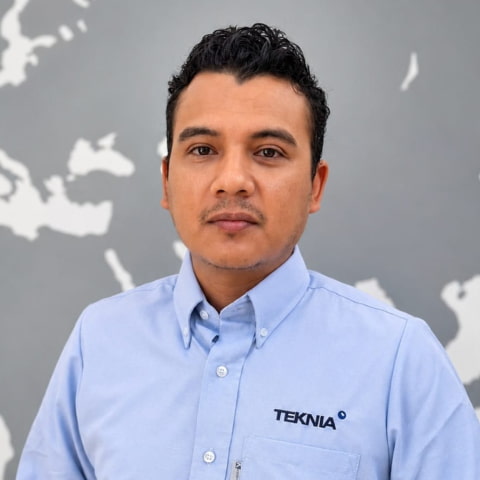
“Being a volunteer with Colonia Juvenil has been a transformative experience; it has taught me the importance of empathy, compassion and resilience. I have realised that we all have something valuable to offer and that together we can make a difference in the lives of others.”
- Martín Torres Alcalá
- Volunteer in the Mould Maintenance department at Teknia San Luis Potosí
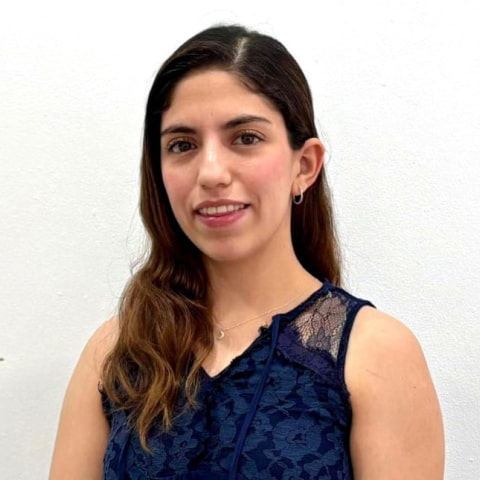
“My experience has been extremely positive and enriching. I’ve always enjoyed helping others, and this activity has been the perfect opportunity to do so in a close-knit and genuine way. I enjoy every session, as beyond sharing knowledge, I have discovered that I am also constantly learning from it. This dynamic has made every session meaningful and left me with a great sense of personal satisfaction. It fulfils me to be able to accompany her, listen to her and contribute, even if only a little, to her development. And, without a doubt, it has been an experience that has enriched me both personally and as a human being.”
- Paloma Torres
- Volunteer in the Sales Department at Teknia San Luis Potosí
What challenges is Colonia Juvenil currently facing?
Many and varied: economic uncertainty in Mexico and closures in local industry that make it difficult for young people to enter the job market once they graduate; increased public bureaucracy in the management of projects like ours; or the challenge of maintaining motivation among a very young population that sometimes shows a certain apathy and a desire for quick success as a result of constant exposure to social media. A great deal of long-term awareness-raising and motivation work is needed. We aim to break the cycle of marginalisation in the communities from which our young people come, and the context does not always help; the challenge is no small one.
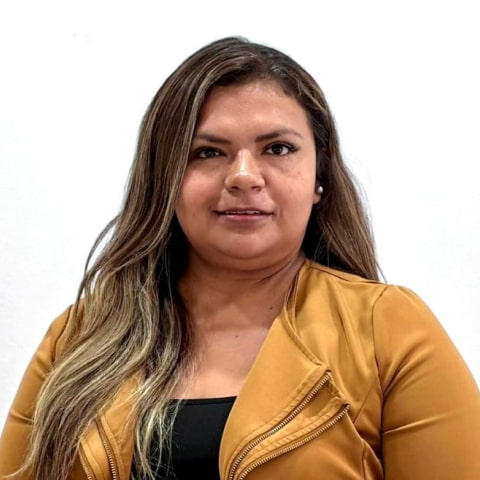
“As a liaison between Teknia and Colonia Juvenil, I have seen how every bit of support is transformed into real opportunities for young people. The organisation provides education and accommodation, but what is most valuable is the hope it instils in every student. I am proud to contribute to this work. My experience in this project has been enriching both personally and professionally.”
- Cristina Guel
- Head of Human Resources at Teknia San Luis de Potosí
This partnership bears its best fruit in the testimonies of the young men and women who benefit from Colonia Juvenil’s scholarships, as is evident in this video of thanks for Teknia’s collaboration with the project, which they sent to us.
“Teknia’s collaboration with Colonia Juvenil takes two forms, both of which are very important: financial support and the volunteers who provide support to our young people. There is no doubt that partners such as Teknia are essential in enabling us to offer young people at risk of social exclusion a dignified space where they can develop as individuals.”
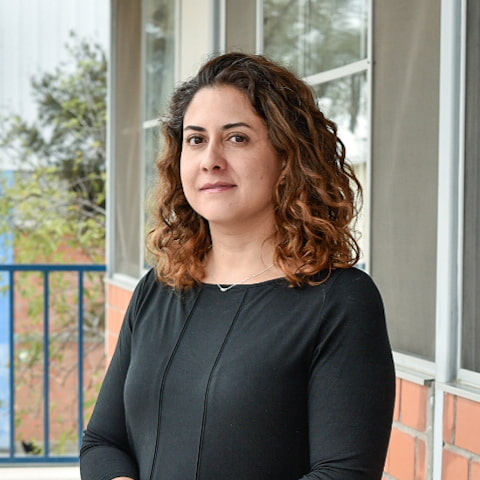
- Mónica Martínez Galindo
- Managing Director of Colonia Juvenil
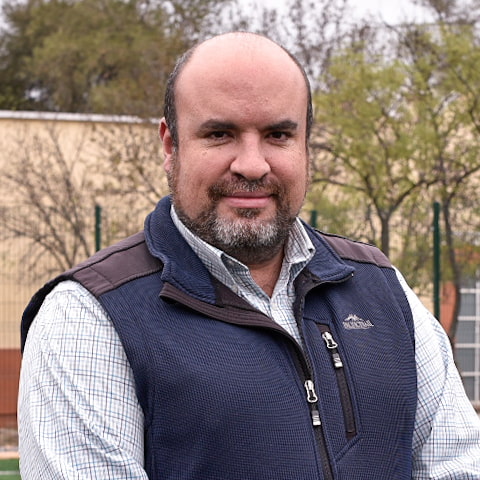
- Adolfo del Río Martínez
- Project Coordinator at Colonia Juvenil
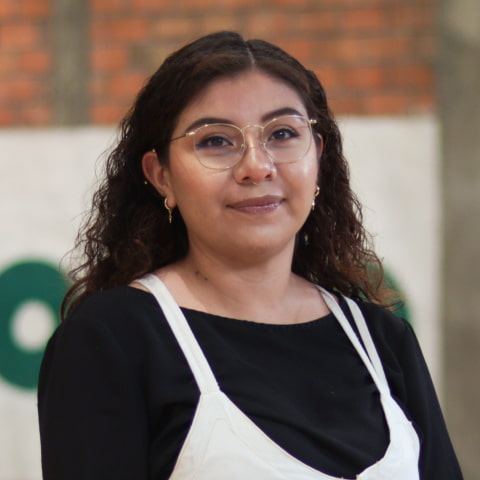
- Carmen Lizeth Vite Córdova
- Head of Personal Development at Colonia Juvenil
- Cristina Guel
- Head of Human Resources at Teknia San Luis Potosí